A Comprehensive Guide to Log Home Inspection: What Every Owner Should Know
A Comprehensive Guide to Log Home Inspection
Log homes offer a unique charm and beauty that sets them apart from traditional structures, but their distinct construction also requires specialized knowledge for proper maintenance and inspection. Whether you're buying a new log home or maintaining your existing one, understanding the nuances of a log home inspection can save you time, money, and future headaches.

Key Areas of Focus During Inspection
- Foundation and Drainage:
- The foundation of a log home must be solid and free of cracks. Inspectors will look for signs of settling, water pooling, or any drainage issues that could lead to moisture accumulation, which is detrimental to log structures.
- Log Integrity:
- Logs should be examined for signs of rot, insect infestation, or decay. It's crucial to probe for soft spots, check for surface cracks or checks, and assess the overall condition of the wood. Inspectors may use a moisture meter to detect elevated levels of moisture, which could indicate potential problems.
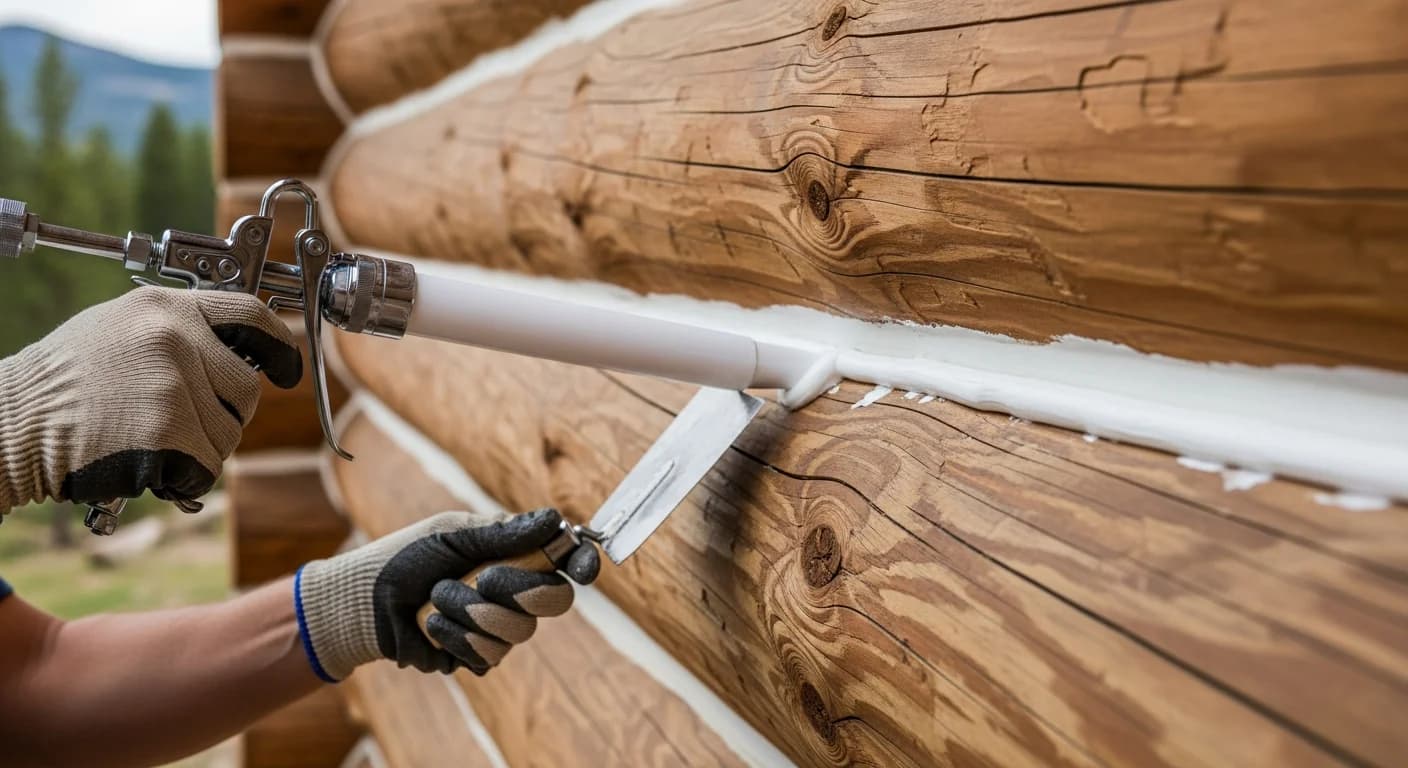
- Chinking and Sealants:
- The material used to seal the gaps between logs, known as chinking, should be intact and free of gaps. Any deterioration in chinking can lead to drafts, pest intrusion, or water leaks, compromising the energy efficiency and integrity of the home.
- Roofing and Gutters:
- The roof of a log home should be checked for missing or damaged shingles, and the gutters should be clear of debris. Proper roof maintenance prevents water from seeping into the log walls, which can lead to rot and structural issues.
- Windows and Doors:
- Inspectors will ensure that windows and doors are well-sealed and properly aligned. Any gaps can allow moisture and insects to enter, which can damage the logs over time.
- Interior and Exterior Finish:
- The finish on both the interior and exterior of logs plays a critical role in their protection. Inspectors will look for areas where the finish has worn away or where there might be signs of water staining, which could indicate a breach in the finish.
Common Issues Found in Log Homes
- Settling: Log homes are prone to settling, which can cause gaps to form between logs, leading to air leaks or structural instability if not managed properly.
- Insect Infestation: Termites, carpenter ants, and wood-boring beetles are common pests that can wreak havoc on a log home if not detected and treated early.
- Moisture Problems: Due to the natural properties of wood, moisture management is crucial. Without proper sealing and drainage, logs can absorb water, leading to rot and decay.
Tips for Log Home Owners
- Regular Maintenance: Performing routine checks and maintenance can prevent minor issues from becoming major problems. This includes sealing and staining the logs, cleaning gutters, and ensuring proper drainage around the home.
- Professional Inspection: Hiring a professional with experience in log homes ensures a thorough evaluation. They can identify issues that might be overlooked by those unfamiliar with log construction.
- Pest Control: Implementing preventive measures and regular pest inspections can help protect your home from insect damage.
In conclusion, while log homes require specific care and attention, their warmth and aesthetic appeal make them a worthwhile investment. Regular inspections and maintenance are essential to preserving their beauty and structural integrity for years to come.
⸻